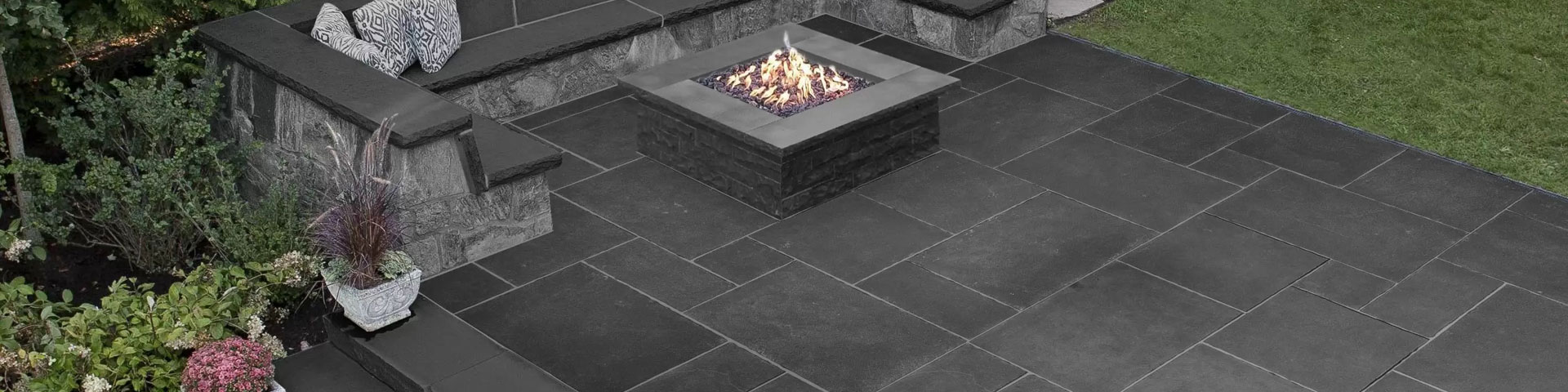
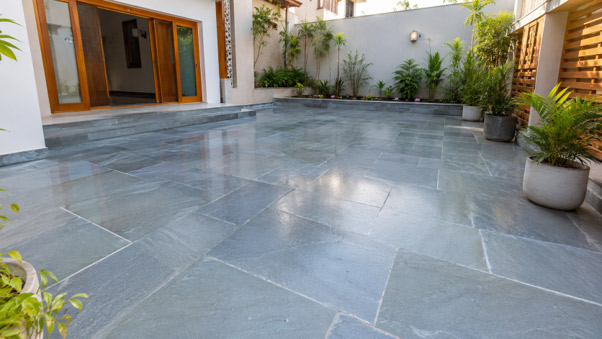
If you have ever walked through an old government office, a temple courtyard, or a traditional Rajasthani haveli in India, chances are you have already stepped on Kota Stone without even realizing it. It is one of the most trusted natural flooring materials in India, known for its durability, affordability, and timeless finish. But what exactly is Kota Stone, why has it remained popular for decades, and is it the right choice for your home or commercial project in 2026?
In this complete guide, we break down everything you need to know about Kota Stone — its origin, types, benefits, price, uses, and how to choose the right supplier.
Kota Stone is a fine-grained limestone quarried primarily near Kota, in the Indian state of Rajasthan. It belongs to the sedimentary rock family and is formed from compressed layers of mineral and organic matter over millions of years. This natural formation process gives Kota Stone its unique strength, density, and water-resistant properties.
Unlike marble or granite, which are igneous or metamorphic rocks, Kota Stone's limestone composition makes it naturally non-porous when polished, extremely hard-wearing, and far more affordable — which is why it has been a go-to flooring and cladding material across India for generations.
Kota Stone is available in slab form and can be cut, polished, and finished to suit residential, commercial, and industrial applications. It is available in a natural, honed, or mirror-polished finish depending on the desired look.
The city of Kota and the nearby town of Ramganjmandi in Rajasthan sit on top of one of the largest limestone belts in India. Local artisans have been quarrying and using this stone for construction for centuries, but it gained widespread commercial popularity in the mid-20th century when it was used extensively in government buildings, courts, and public infrastructure projects across the country. Today, Kota Stone is exported worldwide and remains a staple in Indian architecture.
Kota Stone is available in several natural colour variants, each with its own aesthetic appeal and use case:
The most popular and widely used variety, Kota Blue Stone has a bluish-grey tone and is prized for its strength and elegant appearance. It is commonly used in flooring for homes, offices, and courtyards.
Kota Brown Stone offers a warm, earthy tone that works beautifully in both traditional and contemporary spaces. It is often chosen for verandas, gardens, and outdoor pathways.
Known for its rich, deep black finish, Kota Black Stone is a premium option that adds a sophisticated look to interiors and is often used to create contrast with lighter tiles or stones.
A close cousin of Kota Stone, Red Mandana Stone has a distinct reddish hue and is often used for decorative flooring, wall cladding, and landscaping projects.
Kota Stone's decades-long popularity is not a coincidence. Here are the key benefits that make it a preferred choice for architects, builders, and homeowners:
Kota Stone is naturally hard and dense, which means it can withstand heavy foot traffic without cracking, chipping, or wearing out. This is why it is so commonly used in high-traffic commercial spaces like offices, schools, and hospitals.
Compared to marble, granite, or imported natural stones, Kota Stone is significantly more budget-friendly, making it an excellent choice for large-scale projects without compromising on quality or aesthetics.
Once polished, Kota Stone requires minimal upkeep. Routine sweeping and occasional mopping are usually enough to keep it looking new for years.
Kota Stone's dense composition makes it naturally resistant to moisture absorption and staining, which is why it is a popular choice for bathrooms, kitchens, and outdoor areas, especially in humid climates.
Kota Stone stays cool even during hot summers, making it ideal for Indian climatic conditions. It helps regulate indoor temperature naturally, reducing dependency on cooling systems.
Its slightly textured surface (especially in the honed finish) provides better grip, making it a safer flooring option for both indoor and outdoor use.
With multiple colour options and finishes, Kota Stone can complement both traditional and modern architectural styles.
One of the most searched questions among buyers is: "What is the price of Kota Stone per square foot?"
While prices vary based on thickness, finish, quality grade, and region, here is a general price range you can expect in 2026:
| Type of Kota Stone | Price Range (per sq. ft.) |
|---|---|
| Kota Blue Stone | ₹35 – ₹70 |
| Kota Brown Stone | ₹40 – ₹75 |
| Kota Black Stone | ₹45 – ₹85 |
| Red Mandana Stone | ₹40 – ₹80 |
Note: Prices depend on slab thickness (18mm, 22mm, 25mm etc.), finish (natural, honed, mirror-polish), transportation cost, and order quantity. Always request an updated quote from your supplier before finalizing a project budget.
Kota Stone's versatility means it can be used across a wide range of settings:
| Feature | Kota Stone | Marble | Granite |
|---|---|---|---|
| Price | Budget-friendly | Expensive | Expensive |
| Durability | Very High | Moderate | Very High |
| Maintenance | Low | High | Moderate |
| Stain Resistance | High | Low | High |
| Best For | Flooring, courtyards | Interiors, luxury spaces | Countertops, heavy-traffic areas |
If your priority is a cost-effective, durable, and low-maintenance flooring solution, Kota Stone is hard to beat. Marble offers more luxury appeal but demands more care, while granite is best suited for countertops and extremely heavy-use surfaces.
To keep your Kota Stone flooring looking new for decades, follow these simple maintenance tips:
Not all Kota Stone is the same — quality can vary significantly based on the quarry source, processing, and finishing techniques. Here's what to look for when choosing a supplier:
Based in Ramganjmandi, Kota (Rajasthan), Maruti Stone & Suppliers has been manufacturing and supplying premium Kota Stone since 2010. With over a decade of industry experience, we specialize in Kota Blue Stone, Kota Brown Stone, Kota Black Stone, and Red Mandana Stone — all crafted under strict quality supervision to ensure superior durability, finish, and long-term performance.
We proudly serve residential, commercial, and export clients across the globe, backed by 10,000+ happy customers and a reputation built on trust and consistent quality.
Yes, Kota Stone is excellent for flooring due to its durability, affordability, and low maintenance requirements. It is widely used in both residential and commercial spaces across India.
With proper installation and maintenance, Kota Stone flooring can last for several decades without significant wear.
Yes, Kota Stone's moisture resistance and durability make it well-suited for outdoor areas like courtyards, driveways, and gardens.
Kota Blue Stone has a bluish-grey tone and is more commonly used, while Kota Black Stone offers a richer, darker finish often chosen for a premium look.
While Kota Stone is naturally dense and moisture-resistant, periodic sealing helps maintain its polish and enhances long-term stain resistance.
Kota Stone continues to be one of India's most reliable and cost-effective natural flooring materials, combining durability, elegance, and affordability in a way few alternatives can match. Whether you're building a home, renovating a commercial space, or working on a large infrastructure project, Kota Stone offers a timeless solution backed by decades of proven performance.
Looking for a premium quality Kota Stone for your next project? Contact Maruti Stone & Suppliers today for the best pricing and expert guidance on choosing the right stone for your needs.